A raised brow that lands a joke. A tiny squint that signals doubt. The half-millimeter pull at the corner of a lip before a hard question. If you work on faces, you start to see these micro-expressions as the punctuation marks of human connection. And that is why Botox, a tool prized for smoothing lines, demands respect as a shaper of nuance. The goal is not less expression. The goal is truer, cleaner expression without the static of strain.
This is where technique becomes the entire story. Diffusion radius, injection plane, unit economy, and sequencing decide whether a patient keeps their natural wit on camera or loses the tail of a smile for three months. Years in clinic have made me cautious about blanket “forehead units” or copy-paste grids. I plan based on how a person speaks, emotes, and fatigues. I track changes on video, test in small increments, and correct early. Micro-expressions live in the margins, and margins are won with precision.

Micro-Expressions: Which Movements Matter Most
Micro-expressions sit under the big animations. They live in the starts, stops, and asymmetric peaks of a smile, squint, frown, or brow lift. The ones most sensitive to neuromodulation are usually:
- The outer third of the brow, where frontalis fibers are thin and action creates the quick “question mark” lift. Over-treatment here flattens curiosity. The orbicularis oculi’s lateral fibers. Nudge them correctly and you reduce strain lines without killing “twinkle.” Go heavy and you blunt social warmth. The depressor anguli oris and mentalis. These muscles color speech with tension or ease. Precision softens a harsh resting mouth without muting emphasis. The lip elevators and the small perinasal muscles that modulate the smile arc and sneer. Micro-dosing controls gummy show and nasal scrunch without freezing authenticity.
Patients with speaking jobs, performers, trial lawyers, and people on camera rely on these edges. The common thread in successful treatment is restrained dosing supported by thoughtful mapping.
Diffusion, Injection Plane, and Why Millimeters Matter
The diffusion radius of onabotulinumtoxinA is not uniform. It shifts with dose per point, dilution, needle depth, injection speed, and local anatomy. If you treat at the wrong plane, you can create unintended weakening several millimeters away. The practical takeaways:
- Injection plane shifts diffusion. Intramuscular injections in frontalis diffuse less superficially than intradermal blebs. In the glabella, staying deep to the procerus and corrugator bellies reduces unintended spread into the levator palpebrae. In the crow’s feet, subdermal placement increases surface smoothing but risks blunting smile tone if units are excessive or spread laterally. Volume matters. Reconstitution techniques and saline volume impact both feel and spread. More dilute solutions (say, 2.5 to 4 mL per 100 units) can improve micro-droplet control over a field, helpful for “soft focus” around the lateral orbicularis. More concentrated solutions offer precision in higher-risk zones like the medial brow. Injection speed changes the local hydrostatic pressure. A slow, controlled injection reduces jetting along fascia planes. When working near the eyebrow tail, that slow delivery can be the difference between a subtle lift and three months of brow heaviness.
I prefer to mix with preserved saline for comfort and to standardize tactile feel across sessions. For micro-expression work, most of my points carry 0.5 to 1 unit each, spaced 8 to 12 millimeters apart, with the needle bevel just inside the intended fiber layer.
Planning for Subtlety: Reading the Face in Motion
Static photos tell only half the truth. The right tool is video. High-speed or simply high-frame mobile video captured while the patient cycles through directed expressions exposes asymmetry, compensations, and timing lags between right and left sides. Repeat the sequence while the patient speaks naturally. I look for:
- Frontalis dominance. In strong frontalis-dominant patients, the forehead fires early to assist with eyelid opening. Heavy forehead dosing in these cases often leads to heaviness, social flatness, and complaints of eye fatigue. The answer is to support the brow with conservative corrugator and procerus treatment first, then feather the upper frontalis with micro-units while preserving the lateral lift. Right-left variability. Even in symmetrical faces, there is often a 10 to 20 percent difference in muscle pull between sides. Botox effect variability between right and left facial muscles is common, due to fiber bulk, neuromuscular junction density, or habitual expression. Dose asymmetrically on purpose to land symmetry in motion, not on a still photo. Resting tone and “anger face.” Some people carry a baseline depressor pull at rest, especially in the glabella-lower forehead complex. Subtle units into the corrugator head and the procerus reduce the resting anger appearance without flattening the brow flick that punctuates speech. Smile arc behavior. Does the right side lag, or does the left orbicularis ooze dominance and crinkle more? The goal is to balance the arc so that laughter reads as friendly rather than sardonic or strained.
For actors and public speakers, I often schedule a 10 to 14 day check-in on camera to adjust. A small top-up of 1 to 2 units in a single point can rescue a role. The inverse is also true: overcorrection requires patience and compensatory support rather than more toxin.
Dosing Philosophy: Fine-Line Control Without Paralysis
Botox for subtle facial softening vs paralysis is not a slogan. It is a dosing discipline with three principles.
First, start under the expected cosmetic dose, especially near micro-expression hot zones. For lateral canthus lines on a charismatic smiler, I might begin with 4 to 6 total units per side split over three micro-points, spaced more superiorly than in a classic crow’s feet pattern. This preserves the inferior fibers that power a genuine Duchenne smile.
Second, use precision mapping to minimize unit usage. Palpation remains the foundation, but EMG can help in complex or previously over-treated faces to confirm which fibers fire during a micro-expression. EMG is most useful in the mentalis, DAO, and in atypical frontalis fans. The trade-off is time and cost, but for select patients it prevents months of unwanted flatness.
Third, embrace fine-tuning. A two-stage approach is safer than trying to nail perfection in one visit. You gain better control of unit creep and cumulative dosing effects. Over months and years, cumulative dosing raises the theoretical risk of antibody formation, especially with frequent high-dose exposures across multiple body sites. Keep total units as low as practical for the aesthetic goal.
Reconstitution, Volume, and Uptake
Technique begins with the vial. Reconstitution techniques shape how a syringe behaves under your fingers. I reconstitute with a slow vacuum draw to preserve protein integrity, though evidence on speed is mixed. Saline volume impacts the tactile spread. For micro-fields, I often prefer a mid-range dilution to allow micro-droplets that sit in the right plane without pooling.
Injection speed and muscle uptake efficiency go together. Muscles soak toxin at motor endplates, and the first few minutes matter. In practice, slow delivery, minimal massage, and keeping patients upright for 10 to 15 minutes modestly improve precision. This is not magic. It just reduces mechanical spread along tissue planes.
Predicting Duration and Planning Re-treatments
Effect duration is not a mystery, but it is not uniform either. Age, gender, metabolic rate, and muscle bulk shape the timeline. Men with thick frontalis or corrugators often need slightly higher total units to achieve the same span of relief. Fast metabolizers may see a two to four week shorter duration, while slow metabolizers hold effects beyond four months. Athletes, especially endurance athletes with low body fat, sometimes metabolize quicker and carry more resting tone that pushes through earlier.
Re-treatment timing should be based on muscle recovery, not the calendar alone. I like to see a bit of return in motion before topping up. It prevents overtreatment and reduces the risk of long-term muscle rebound strength loss. Over years, continuous heavy paralysis can lead to fiber thinning. Most patients do not want that. Micro-expression work benefits from cyclical light dosing that allows small movements to remain honest.
Avoiding Compensatory Wrinkles and Brow Heaviness
Faces compensate. If you tame the corrugator and procerus without touching the lateral frontalis, the outer brow might over-lift and create compensatory lines. Conversely, over-treating the lateral frontalis can Allure Medical Greensboro NC botox yield brow heaviness that reads as fatigue. The fix is sequencing and spacing.

Begin with the depressors. In a frown-dominant pattern, reduce the glabellar complex first, then reevaluate the forehead’s need. For high foreheads, space injection points further apart and keep lateral doses low to preserve the tail lift. In patients with prior ptosis history, stay higher on the forehead, avoid medially low points, and keep glabellar units conservative. If heaviness occurs, you can often correct post-treatment brow heaviness with tiny lifts at the lateral frontalis or by addressing the brow depressors (orbicularis oculi, lateral corrugator remnants) with micro-units.
Symmetry At Rest vs Symmetry In Motion
Most patients will choose natural motion over static symmetry if you explain the difference. If a right brow naturally lifts one or two millimeters higher in surprise, trying to make still photos perfectly symmetrical by dosing the stronger side can leave expressions dead. Better to leave a whisper of asymmetry at rest so that motion lands correctly. I document both: standardized frontal and oblique photos at rest and at maximal animation, alongside a 10-second speech segment. Over time, this becomes data for response prediction using prior treatment results.
Special Zones That Shape Micro-Expressions
Lips and perioral area: Treat vertical lip lines with respect. Microdroplets of 0.5 to 1 unit across the upper lip can reduce puckering lines without lip stiffness if you keep the total 4 to 6 units and bias the superficial fibers. Watch for upper lip eversion dynamics; too much can roll the lip, change articulation, and flatten personality in speech. Actors and public speakers often tolerate even less.
Nasal lines and tip: Small doses in the nasalis can soften bunny lines. Careful micro-dosing at the depressor septi can subtly improve nasal tip rotation control, useful when a smile drops the tip. Again, underdo it first, because nasal and upper lip interactions are delicate.
Chin and marionette zone: The mentalis telegraphs uncertainty and effort. A few units can reduce chin strain during speech and smooth pebbling. DAO dosing can soften a downturned mouth at rest, improving approachability without chasing smile symmetry that should stay alive in motion.
Crow’s feet and infraorbital zone: The orbicularis changes how joy reads. Micro-dosed lateral canthus treatment relieves strain headaches for some patients who squint for focus, but aim high and lateral to avoid blunting the lower eyelid smile.
Managing Migration, Bruising, and Downtime
Migration patterns are primarily mechanical. Avoid deep massage. Park the needle’s tip just inside the target layer, inject slowly, and watch for reflux. For bruising minimization, use 30 to 33 gauge needles, pre-chill or apply brief pressure nodes, and avoid visible vessels under good lighting. For anticoagulated patients, safety protocols include the smallest possible needle, gentle technique, and post-injection compression without rubbing. Patients can usually return to their day with minimal downtime when you choose a clean plan and respect tissue.
Dealing With Treatment Failure and Variability
When Botox seems to fail, isolate the cause. Did the product sit warm too long? Was the dilution off? More often the issue is mis-mapping: the wrong muscle, the wrong plane, or an assumption based on a grid instead of the patient’s unique pattern. Occasionally, repeated high cumulative dosing across years can raise the chance of antibody formation. The risk stays low in aesthetic dosing, but it rises with frequent touch-ups, high unit totals, or certain non-aesthetic indications. If resistance is suspected, switch toxin brands or extend intervals. Verify with targeted test points.
Differences in neuromuscular junction density partly explain right-left response gaps and why some small muscles need fewer units. Slow metabolizers often tolerate longer intervals without drift, while fast metabolizers do better with smaller, more frequent sessions rather than big boluses.
Actors, Speakers, and People Who Live on Camera
The camera punishes stiffness. For these patients, treatment planning favors:
- Micro-mapping with high-speed facial video to see exactly when fibers fire during lines and laughter on set. Dosing strategies for expressive eyebrows that preserve the lateral frontalis’ playful peaks while quieting central strain. A cap on per-session dosing to minimize unit creep and allow mid-season adjustments without stacking effects.
I counsel production teams on timing around shoots. Peak effect starts at day 5 to 7 for most, with the most authentic micro-expression window from week 2 to week 10. If a role relies on a skeptical squint or a character tic, we leave those fibers alone or treat around them to reduce strain without deleting personality.
Prior Fillers, Thin Skin, and Connective Tissue Considerations
Faces with filler history do not change toxin binding, but they change optics and palpation. Soft-tissue filler can mask muscle landmarks and alter the perceived need for toxin because skin creasing patterns shift. In thin dermal thickness, tiny doses matter more. You see effect sooner, and units travel further. In connective tissue disorders, bruising risk rises and tissue planes can be less predictable. Start with conservative units, slow injections, and wider spacing.
Headaches, Pain Syndromes, and Strain
Botox’s role in reducing facial strain headaches is often a side benefit of orbicularis and temporalis work, especially in squint-driven strain. For facial pain syndromes or tension-related jaw discomfort, thoughtful masseter and temporalis treatment can help, but micro-expression safety requires careful perioral preservation. Keep the perioral muscles nimble; speech and smile dynamics should not be collateral damage.
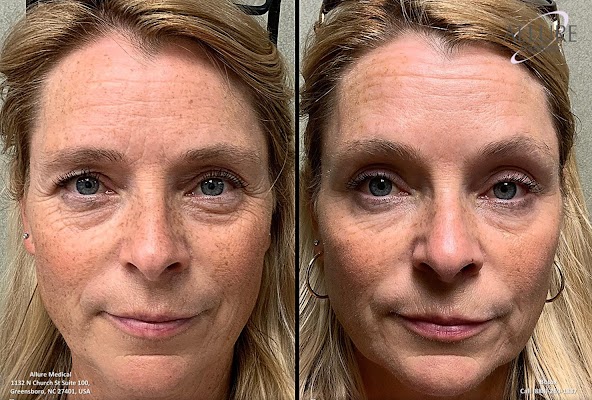
Tracking Outcomes Like a Professional
Aesthetic intuition improves with data. I use standardized facial metrics: consistent lighting, angles, neutral resting face, maximal animation, and a 10-second reading sample. Mark injection points on a face diagram with units and depth. At follow-up, compare not just lines, but timing and amplitude of micro-expressions. Note changes in facial fatigue appearance, which patients report as “I look less tired even when I am.”
Over time, outcome tracking lets you refine injection point spacing optimization and predict which patients will hold effects longer by age, gender, and activity level. You learn who needs dosing recalibration after long gaps and who benefits from minimal unit usage with precise mapping.
Safety, Dosing Ethics, and Session Caps
There is no global magic number for dosing caps per session, but safety analysis favors moderation, especially when treating multiple areas. Keep a rolling tally across sessions to avoid creeping totals. Align the plan with the role and lifestyle. Athletes may need micro-adjustments before competitions. Public-facing clients may accept a tiny line over any risk to their trademark expressions.
Dosing ethics are simple: do less than you think, then fine-tune. Avoid overcorrection when the patient requests a “completely smooth” forehead yet leans on expressive brows to communicate. Explain the trade-offs clearly. Subtle lift effects beat plastered stillness.
Sequencing With Adjuncts and Layered Treatments
When combining Botox with skin tightening devices, separate sessions by a week or two so heat-based treatments do not alter spread or uptake. In layered treatments, start with neuromodulation to reduce dynamic strain, then resurface or tighten once movement is settled. Safety considerations in layered treatments include cumulative edema and the risk of bruising. Plan around important events.
Handling Edge Cases
High foreheads: Anchor a gentle central line with low-dose points higher than usual to keep the lateral free. This avoids compensatory lateral lines and preserves the eyebrow tail elevation that lights up surprise.
Prior eyelid surgery: Guard against brow descent and lagophthalmos. Keep orbicularis dosing conservative near the lash line and maintain adequate frontalis activity. Under-treat first, then adjust.
History of ptosis: Raise all forehead lines by a few millimeters, avoid medial low points, and reduce glabellar totals. If an eyelid dips, temporary apraclonidine or oxymetazoline drops can help, but prevention is better than rescue.
Thin skin: Use micro-units and a shallow plane. Small changes read loudly in thin dermis. The same applies to older patients with reduced muscle bulk.
Migration Prevention in Practice
Migration is not just product physics, it is technique. Avoid injecting through makeup or inflamed skin. Keep needles fresh to minimize tissue trauma. Do not chase small blebs with finger pressure. Ask patients to avoid strenuous activity and face-down massage for the rest of the day. These common-sense steps reduce unpredictable spread and protect micro-expression zones.
Long-Term Use and Muscle Memory
Botox influence on muscle memory over time is real. Repeated light treatment can retrain habitual overuse without causing permanent paralysis. Patients often find they need fewer units to maintain the same result after a year or two of steady, conservative work. That said, long-term continuous use at high doses can create weakness that outlasts the drug window. Stay on the light side if the goal is subtlety.
Measuring Success: What a Good Result Looks Like
A successful micro-expression plan keeps:
- Eyebrow spacing aesthetics stable, with a soft medial line and a lively tail that can pop on cue. Smile arc symmetry improved in motion more than in stills, retaining warmth. Resting facial tone relaxed, but not blank, with no unintended heaviness. Speech articulation unchanged, especially with perioral work. Headaches or strain reduced if those were part of the goals.
Patients notice that colleagues comment less on “Did you get work done?” and more on “You look rested.” On camera, directors see cleaner emotion reads. That is the north star.
A Brief Case Snapshot
A mid-30s actress with strong frontalis dominance and a history of brow heaviness after standard forehead dosing came in before a pilot shoot. On video, her lateral frontalis produced a distinctive question-mark lift she wanted to keep. She also carried a low-grade resting frown. We mapped micro-points: 6 units total to the procerus and medial corrugators, then 4 units feathered high on the central frontalis, none laterally. For crow’s feet, 5 units per side in a superior-lateral fan to spare lower fibers. Day 10 check-in showed preserved lateral lift, softened central lines, and better resting tone. She delivered the role with intact micro-expressions. At week 12, we placed 2-unit touch-ups without chasing perfection.
Practical Checklist Before the First Syringe
- Watch the face in motion and in speech. Record, do not rely on memory. Map asymmetric pull. Dose asymmetrically on purpose. Choose dilution and plane for the zone, not out of habit. Start under, fine-tune later. Keep a per-session cap suited to goals. Sequence depressors before taming elevators when brow heaviness is a risk.
Subtlety is not guesswork. It is a series of controlled choices that respect how we read each other’s faces. When you get it right, Botox becomes less about erasing and more about editing. The lines that remain belong there, the strain does not, and the micro-expressions speak clearly.